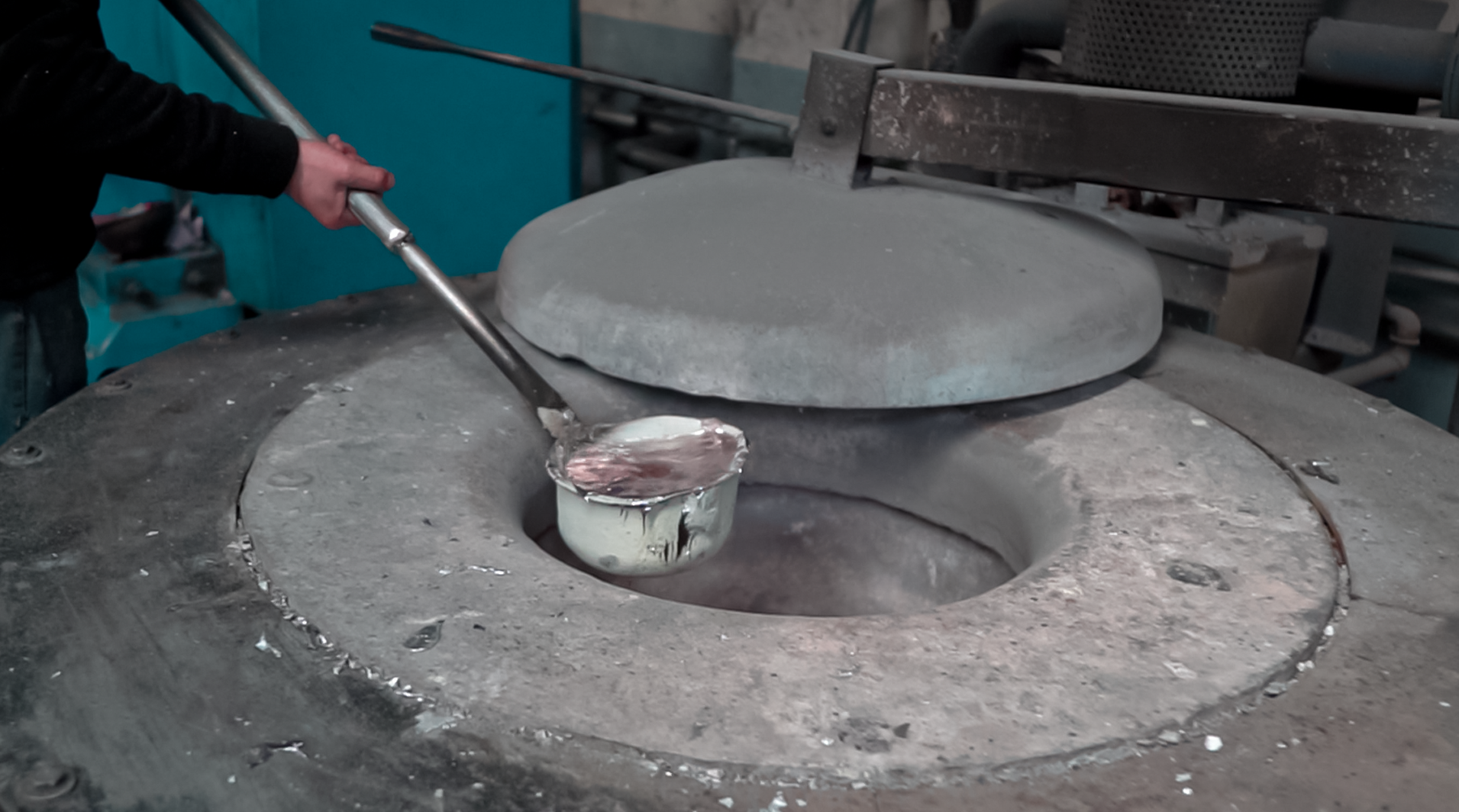
Electric Induction Furnace
An electric induction furnace is a type of melting furnace that uses electric currents to melt metal. Induction furnaces are ideal for melting and alloying a wide variety of metals with minimal melting loss, but little refining of the metal is possible.
Principle Of The Induction Hook
The principle of the induction hob is induction heating.
Induction Heating: Induction heating is a non-contact form of heating for conductive materials.
The principle of induction heating is mainly based on two well-known physical phenomena:
1. Electromagnetic Induction
2. Joule Effect
1) Electromagnetic Induction
The energy transfer to the object to be heated takes place via electromagnetic induction.
Any electrically conductive material placed in a varying magnetic field is the site of induced electric currents, called eddy currents, which will eventually lead to joule heating.
2) Joule Heating
Joule heating, also known as ohmic heating and resistive heating, is the process of releasing heat when an electric current passes through a conductor.
The heat produced is proportional to the square of the current multiplied by the electrical resistance of the wire.
Induction heating relies on the unique properties of radio frequency (RF) energy, which is the portion of the electromagnetic spectrum below infrared and microwave energy.
Since the heat is transferred to the product by electromagnetic waves, the part does not come into direct contact with the flame in any way, the inductor itself does not heat up and there is no product contamination.
–Induction heating is fast, clean, non-polluting heating.
– The induction coil is too cold to touch; The heat accumulated in the serpentine is continuously cooled by the circulating water.
Properties
An electric induction furnace requires an electric coil to generate the charge. This heating coil is eventually replaced.
The crucible in which the metal is placed is made of stronger materials that can withstand the required heat, and the electric coil itself is cooled by a water system so that it does not overheat or melt.
Induction furnace sizes can range from a small furnace used for very delicate alloys to much larger furnaces weighing just one kilogram, for mass producing clean metal for many different applications.
The advantage of the induction furnace is a clean, energy efficient and well-controllable melting process compared to most other metal melting methods.
Foundries are using this type of furnace and now more and more iron foundries are replacing cupolas with induction furnaces to melt the cast iron because the old ones emit a lot of dust and other pollutants.
Electric Induction furnace capacities range from less than one kilogram to one hundred tons and are used to melt iron and steel, copper, aluminum and precious metals.
The major disadvantage of using an induction furnace in a foundry is the lack of refining capacity; The charge materials must be free from oxidation products and have a known composition, and some alloying elements may be lost (and re-added to the fusion) due to oxidation.
Advantages
Electric induction cookers offer certain advantages over other furnace systems:
Higher Efficiency: The absence of combustion sources reduces oxidation losses, which can be important in production economy.
Faster Startup: Instant full power from the power supply, reducing the time to reach operating temperature. One to two hours of cold charging time is common.
Flexibility: No molten metal is required to start the medium frequency coreless induction melting equipment. This facilitates repeated cold starting and frequent alloy changes.
Natural Mixing: Medium frequency units can give a strong mixing action resulting in a homogeneous melt.
Cleaner Melt: No by-products of combustion means a cleaner melting environment, and combustion pollution control systems have no associated products.
Compact Installation: High melting rates can be achieved from small furnaces.
Reduced Refractory: Compact size relative to melting rate means induction furnaces require much less refractory than fuel-fired units
Better Working Environment: Induction furnaces are much quieter than gas furnaces, arc furnaces or cupolas. There is no combustion gas and waste heat is reduced to a minimum.
Energy Savings: Total energy efficiency in induction melting ranges from 55 to 75 percent and is significantly better than combustion processes.
